

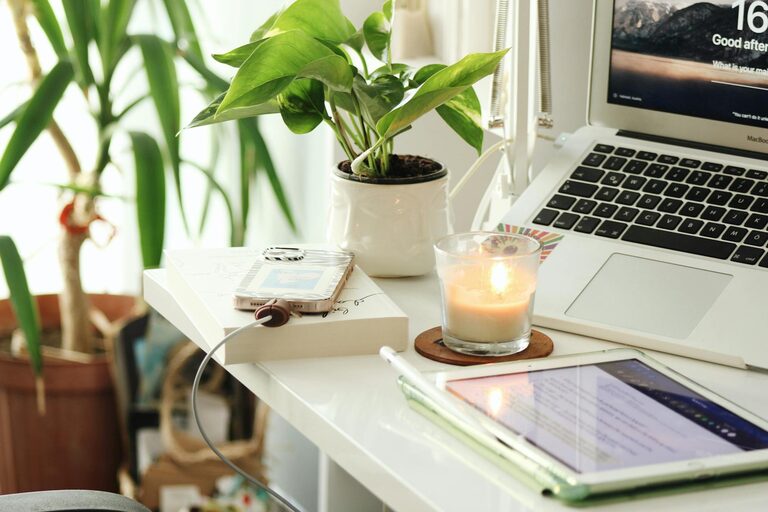
Creating a home office that feels both cozy and productive can significantly improve your work-from-home experience. Whether you’re a freelancer, remote employee, or simply need a dedicated space to handle tasks, designing an environment that supports focus and comfort is key. In this post, we’ll explore practical ideas and tips to help you set up a home office tailored to your needs.
1. Choose the Right Location
Before you start arranging furniture or picking colors, decide where your home office will be. Consider these factors:
– Natural light: A spot near a window can boost mood and reduce eye strain.
– Noise levels: Find a quiet area to minimize distractions.
– Space: Make sure there is enough room for your desk, chair, and necessary equipment.
If you don’t have a spare room, corners of living rooms or bedrooms can work well when organized smartly.
2. Invest in a Comfortable Chair and Desk
Ergonomics plays a huge role in productivity and wellbeing. A good chair supports your back and encourages proper posture during long hours of work. Look for adjustable chairs with lumbar support.
Similarly, pick a desk that suits your tasks and available space. Standing desks or adjustable-height desks can offer flexibility and help reduce fatigue.
3. Optimize Lighting
Proper lighting can reduce eye strain and improve focus. Mix natural and artificial lighting sources:
– Natural light: Position your desk so sunlight is on the side, avoiding glare on screens.
– Task lighting: Use a desk lamp to illuminate your workspace during darker hours.
– Ambient lighting: Soft overhead or wall lights add warmth and prevent harsh shadows.
Avoid overly bright or flickering lights, as they can cause headaches.
4. Keep the Space Organized
A clutter-free environment keeps your mind clear and improves efficiency. Try these organization tips:
– Use shelves or cabinets to store documents and supplies.
– Invest in drawer organizers for smaller items.
– Employ cable management tools to avoid tangled wires.
– Keep everyday items within reach, but store infrequently used things away.
Regularly declutter your desk at the end of the day to maintain a fresh start.
5. Add Personal Touches
Your workspace should feel inviting and inspiring. Add elements that make the space uniquely yours:
– Plants: Indoor plants improve air quality and add a calming natural element.
– Artwork or photos: Pictures that motivate or relax you create a positive vibe.
– Decor: Cozy rugs, cushions, or curtains can soften the space and enhance comfort.
Be mindful not to overcrowd; simplicity often fosters better concentration.
6. Use Technology Wisely
Technology is essential but can also be distracting. To maintain productivity:
– Choose a reliable computer and accessories suited to your work needs.
– Use headphones to reduce noise or join virtual meetings without interruption.
– Consider apps or tools that organize tasks and limit distractions.
– Keep chargers and cables neatly arranged and within easy access.
7. Create Zones for Different Activities
If space allows, divide your office into areas tailored for specific functions:
– A dedicated desk zone for computer work.
– A reading or brainstorming nook with a comfy chair.
– A storage space for documents and supplies.
Zoning helps shift mental gears and can reduce fatigue.
8. Maintain Good Air Quality and Temperature
Comfort is not only about furniture and lighting. Good ventilation and a comfortable temperature contribute to your wellbeing.
– Open windows regularly or use an air purifier.
– Use fans or heaters as needed to maintain a comfortable climate.
– Avoid placing your desk near drafts or direct heat sources.
9. Set Boundaries for Work and Relaxation
When working from home, separating work from personal life is important:
– Use physical dividers or room arrangements to mark your workspace.
– Define work hours and stick to breaks.
– Avoid working in bed or on the couch to keep rest and work areas distinct.
Conclusion
Designing a home office that is both cozy and productive doesn’t require a big budget or complex plans. With thoughtful choices about location, furniture, lighting, and organization, you can create a space that supports your work and well-being. Remember to personalize your office and create routines that help you focus—your ideal workspace is one that feels just right for you.
Happy decorating and productive working!