

Creating a comfortable and efficient home office space is essential for anyone working from home or pursuing personal projects. A cozy environment promotes creativity and focus, while a well-organized setup can help you stay productive throughout the day. Whether you have a dedicated room, a corner nook, or a shared space, these tips will guide you in designing a home office that balances comfort and efficiency.
Choose the Right Location
Start by selecting the best spot in your home for your office. Here are some factors to consider:
– Natural light: Position your desk near a window if possible. Natural light helps reduce eye strain and improves mood.
– Quiet environment: Choose a space away from heavy foot traffic and noisy appliances to minimize distractions.
– Proximity to power outlets: Ensure you have easy access to plugs for your computer, printer, and other devices.
If space is limited, consider multifunctional furniture or using vertical storage to maximize your area.
Invest in Comfortable and Functional Furniture
Your furniture plays a big role in comfort and productivity. Here’s what to focus on:
– Ergonomic chair: A supportive chair with adjustable height and backrest will reduce strain and keep you comfortable longer.
– Appropriate desk: Choose a desk that fits your needs, whether it’s large enough for multiple monitors or compact for a laptop.
– Adjustable setups: Consider a standing desk or desk risers to alternate between sitting and standing throughout the day.
Adding a footrest or wrist support can further enhance comfort during long work sessions.
Organize to Minimize Clutter
A tidy workspace helps keep your mind clear. Tips to stay organized include:
– Declutter regularly: Remove papers and items you no longer need.
– Use storage solutions: Invest in shelves, drawers, or filing cabinets to store supplies neatly.
– Desk organizers: Use trays, pen holders, and cable management tools to keep essentials within reach but orderly.
Labeling storage containers can save time when looking for documents or tools.
Personalize for Comfort and Inspiration
Adding personal touches makes your office inviting and uniquely yours, which boosts morale and creativity.
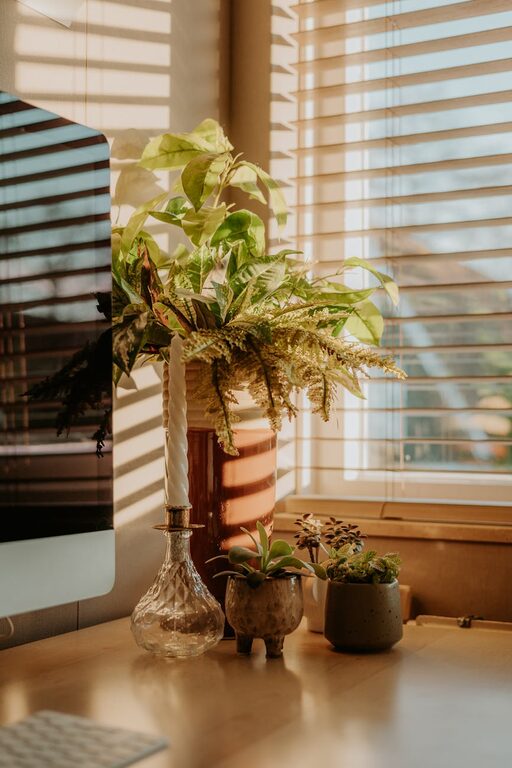
– Decorate with plants: Houseplants improve air quality and add a calming natural element.
– Use artwork or photos: Surround yourself with images that inspire and motivate you.
– Choose cozy textiles: A soft rug, cushions, or a throw blanket can add warmth and comfort.
Select colors that energize you or create a peaceful atmosphere depending on your work style.
Optimize Lighting for Focus and Less Eye Strain
Proper lighting is vital for productivity and health.
– Combine natural and artificial light: Use daylight when possible and complement it with task lamps for evening work.
– Adjustable lamps: Choose lamps with adjustable brightness and direction to reduce glare and shadows.
– Avoid harsh overhead lighting: Soft, diffused light helps prevent headaches and fatigue.
Consider warm light tones for relaxation and cooler tones to stay alert.
Manage Noise Levels
Noise can be disruptive, so here are ways to keep your office quiet:
– Use noise-canceling headphones: Especially helpful if you share your space with others.
– Add soft materials: Curtains, carpets, and cushions absorb sound and reduce echoes.
– Set boundaries: Communicate your work hours to household members to minimize interruptions.
If external noise is unavoidable, playing white noise or gentle background music can help maintain focus.
Establish a Routine and Keep Essentials Handy
Creating habits and having your tools ready can streamline your workday.
– Designate work hours: Set start and finish times to balance productivity and relaxation.
– Keep supplies within reach: Store stationery, chargers, and notebooks nearby to avoid distractions.
– Use a calendar or planner: Helps track deadlines and meetings for better time management.
A clean workspace at the end of each day prepares you mentally for the next.
Maintain Good Air Quality and Temperature
A fresh and comfortable environment supports concentration.
– Ventilate regularly: Open windows to circulate fresh air and reduce stuffiness.
– Use air purifiers or humidifiers: These can improve air quality, especially in closed rooms.
– Control temperature: Keep the room at a comfortable temperature to avoid discomfort.
Avoid placing your desk too close to heating/cooling vents to maintain consistent warmth.
—
Creating your ideal home office might take some trial and error, but focusing on comfort, organization, and personalization will pay off. With the right setup, your workspace will become a place you look forward to spending time in, leading to greater productivity and satisfaction in your work.