

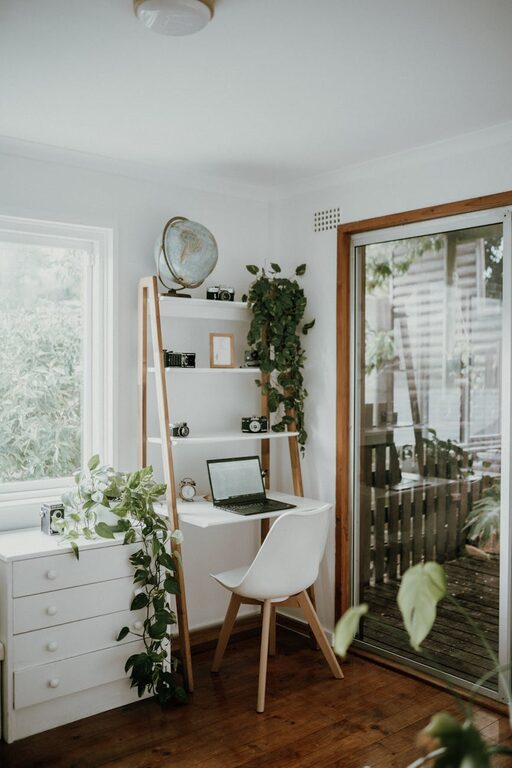
Creating a cozy and inviting home workspace is essential for maintaining productivity and comfort throughout your workday. Whether you work remotely full-time or occasionally need a quiet place to focus, your workspace should inspire creativity and calm. This guide offers practical tips to help you design a space that feels both welcoming and efficient.
Why a Cozy Workspace Matters
A workspace that feels warm and inviting can reduce stress, increase motivation, and improve concentration. When your environment is comfortable, you’re more likely to enjoy your work and maintain a healthy balance between home and professional life.
Choosing the Right Location
Find Natural Light
Whenever possible, place your workspace near a window to take advantage of natural daylight. Natural light enhances mood and reduces eye strain compared to artificial lighting.
Consider Noise Levels
Choose a quiet part of your home where distractions are minimal. If this isn’t possible, noise-canceling headphones or a white noise machine can help maintain focus.
Furniture That Combines Comfort and Function
Ergonomic Chair
Invest in an ergonomic chair that supports your posture and allows you to sit for extended periods without discomfort. Adjustable height and lumbar support are key features to look for.
Desk Options
Select a desk that fits your space and work style. Standing desks or adjustable desks can offer variety in posture, reducing fatigue.
Add a Comfortable Touch
Consider a soft rug under your desk or a cozy throw blanket draped over your chair. Small comforts can make your workspace inviting and reduce stiffness.
Organizing for Productivity
Declutter Regularly
Keep your desk clear of unnecessary items to prevent distractions. Use storage bins, shelves, or drawers to organize papers and supplies.
Use Desk Organizers
Tray organizers, pen holders, and cable management solutions keep your workspace neat and efficient.
Personalize Thoughtfully
Incorporate a few personal touches like photos, plants, or artwork that inspire you without overwhelming the space.
Lighting That Works for You
Layer Your Lighting
Combine overhead lighting with task lighting such as desk lamps to reduce shadows and eye fatigue.
Choose Warm Light
Warm or neutral-toned bulbs create a comfortable atmosphere, making the workspace feel homelier and less clinical.
Incorporate Greenery
Adding plants to your workspace can increase oxygen levels and add a splash of color. Choose low-maintenance plants like succulents or snake plants if you’re new to plant care.
Maintain Comfort with Temperature Control
Make sure the room temperature is comfortable and airflow is adequate. Portable fans, heaters, or opening windows can help create a pleasant environment.
Establish Zones if Space Allows
If your workspace is large enough, establish specific zones—for example, a primary work area, a reading corner, and a small lounge spot. This helps separate different activities and refreshes your focus.
Use Soothing Colors
Choose color schemes that promote calm and focus. Soft blues, greens, and neutrals are popular because they create a peaceful, inviting ambiance.
Technology Setup
Ensure your computer, keyboard, monitor, and other devices are set up ergonomically. Position screens at eye level and maintain sufficient desk space to avoid strain.
Final Tips for Daily Comfort
– Take regular breaks to stretch and move around.
– Keep a water bottle nearby to stay hydrated.
– Use calming scents like lavender or eucalyptus through candles or diffusers.
—
By thoughtfully combining comfort, functionality, and personal touches, you can create a home workspace that feels like a sanctuary. An inviting workspace helps you stay motivated and productive, making your work-from-home experience more enjoyable.