

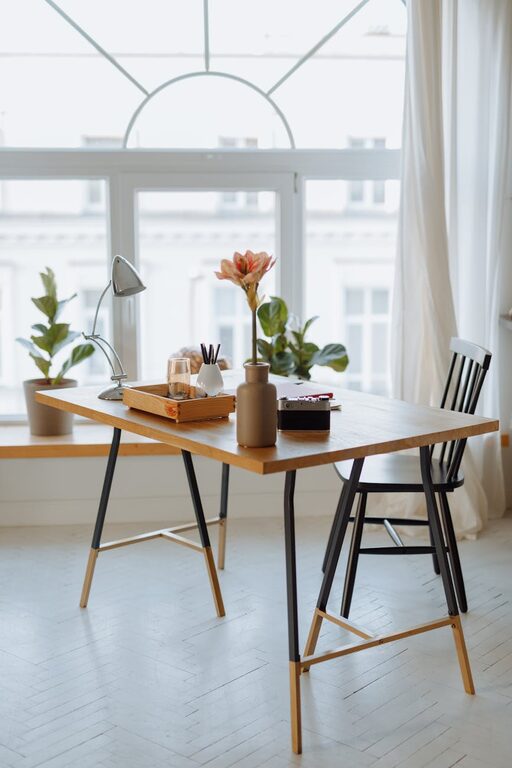
Creating a cozy and inviting home office is essential for anyone who spends significant time working from home. A well-designed workspace can improve focus, motivation, and overall well-being. If you’re looking to refresh your home office or set one up from scratch, these practical tips will help you build a comfortable and productive environment.
Choose the Right Location
Selecting the right spot in your home is the first step to creating a welcoming office space. Ideally, pick a quiet area with minimal distractions. If possible, choose a room with natural light. Sunlight helps boost mood and energy, making your workday more enjoyable.
If space is limited, corners or unused nooks can be transformed into effective workstations. Adding room dividers or curtains can help separate the office from the rest of your living space, enhancing privacy.
Prioritize Comfort with Ergonomic Furniture
Comfort is key to staying productive and avoiding physical strain. Invest in a good quality chair that supports your back and encourages proper posture. Adjustable chairs allow you to customize height and support for your needs.
Your desk should offer enough space for your computer, writing materials, and other essentials. Consider desks with built-in storage to keep your workspace tidy. If you prefer standing or want a flexible setup, adjustable standing desks are an excellent choice.
Add Warm and Soothing Colors
Color affects mood and concentration. Soft, warm colors like beige, light gray, pale blue, or soft green create a calm and inviting atmosphere. Avoid overly bright or harsh colors, which can be distracting or tiring over time.
You can introduce color through paint, wallpaper, or decor accessories like cushions, rugs, and curtains. Choose shades that resonate with you and promote a sense of calm.
Incorporate Personal Touches
Make your office space feel like your own by adding personal items. Family photos, artwork, or inspirational quotes can make the area inviting and motivating. Remember to keep these items tasteful and not overwhelming, so they enhance rather than distract.
Plants are also a great way to add personality and life to your workspace. They improve air quality and create a calming atmosphere. Choose low-maintenance plants such as succulents, snake plants, or pothos if you’re not confident in your gardening abilities.
Ensure Proper Lighting
Adequate lighting reduces eye strain and keeps you alert. Use a combination of natural, ambient, and task lighting to create a balanced environment.
Place your desk near a window to maximize daylight. For cloudy days or evening work sessions, use a desk lamp with adjustable brightness to focus light where you need it.
Avoid harsh overhead lights that can create glare. Instead, opt for softer fixtures or lamps with warm bulbs to make the space cozy.
Organize and Declutter
A tidy workspace promotes clear thinking and efficiency. Use organizers, shelves, and filing cabinets to store papers, office supplies, and electronic accessories.
Cable management solutions keep wires out of sight and prevent tangling. Label storage containers to find items easily without creating clutter.
Make a habit of decluttering your workspace at the end of each day to maintain a neat and inviting environment.
Optimize Technology Setup
Technical tools are essential, but they can take up space and cause distractions if not arranged well. Position your computer monitor at eye level to reduce neck strain.
Keep frequently used devices within reach to minimize movement. Use wireless accessories where possible to reduce cable clutter.
Consider noise-cancelling headphones if your home environment is noisy or crowded.
Create Zones for Different Activities
If space allows, designate areas for various tasks. For example, have a separate spot for focused work, brainstorming, or relaxing breaks.
A comfortable chair or small sofa can create a break corner where you can step away from your desk and recharge.
Having distinct zones can help maintain better work-life balance, especially when working from home.
Pay Attention to Acoustics
Sound can affect concentration. Use rugs, curtains, and soft furnishings to absorb noise and reduce echo.
If external noise is a concern, consider adding weather stripping to doors and windows or using white noise machines to block distractions.
Maintain Good Air Quality and Temperature
A fresh and comfortable environment supports productivity. Keep windows open when possible to allow fresh air circulation.
Use fans or air purifiers to improve air quality. Adjust the room temperature to your comfort level using heaters or air conditioners.
Final Thoughts
Designing a cozy and inviting home office doesn’t have to be complicated or expensive. With thoughtful choices in location, furniture, color, lighting, and organization, you can create a space where you love to work. Tailor your office to your personality and needs, and you’ll notice improvements in both comfort and productivity.
Remember, small changes can make a big difference. Start by focusing on one area, such as lighting or decluttering, and gradually enhance your workspace. Enjoy creating a home office that supports your best work every day!